
Community
A community centered on respect, support, and thoughtful connection
At aSuggestion, we encourage every author to write with clarity, respect, and consideration. This is not a space for conflict, but rather a community for growth, understanding, and meaningful connection.
Guided Support
Support for every part of the care network
When you encounter perspectives that differ from your own, see them as opportunities to listen, share, learn, and perhaps even teach. We remind our readers to pause before reacting, reflect on the comments received, and respond thoughtfully.
Whether you've joined us to participate in safe and welcoming social rooms or to exchange ideas with family, colleagues, or new connections, we invite you to relax and enjoy the experience. Together, we can make aSuggestion a place where every voice is valued and every interaction leaves us better than before.
Support Track
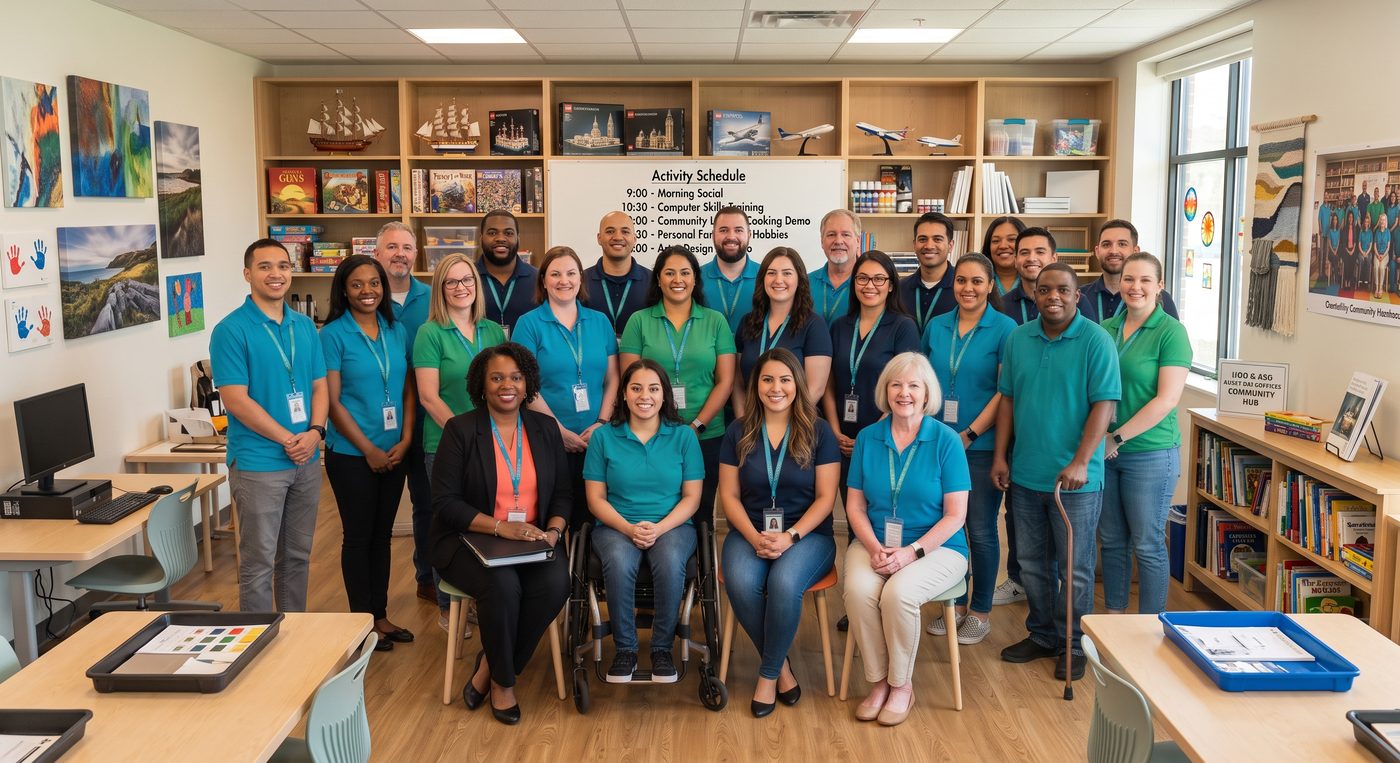
Care Professionals and Agency Leadership
Overseeing a program or a caseload means balancing real human connection with real documentation and compliance demands, and the two shouldn't fight each other. The Wellbeing Dashboard gives you a live view of engagement trends across everyone your team supports, so a quiet drop-off never goes unnoticed.
Visit Trac confirms arrival and departure with the time and a location type, never an address or protected health information, and Community Instruction estimates mileage for outings. Person Centered Goals maps daily activity directly to a curated 100-item goal library, so progress is visible, not just assumed.
Exports to Excel, Google Sheets or PDF use permanent, de-identified IDs for staff and organization reports, so field data can move where it needs to, ready for your EHR, without putting a real name on the page.
Support Track
Help With DSP Recruiting and Retention
Direct Support Professional turnover runs at 37.1% a year, and 40.7% of those who leave do so within their first six months (NCI-IDD, 2024). The DSP Pipeline is one way aSuggestion helps your agency hire people who arrive ready.
Every year, aSuggestion works alongside student interns who spend real time inside the platform, helping foster a safe, fun, and educational social environment for the people they support. Along the way, they build genuine connection and community, learn about the goals and interests that matter to this community, and get comfortable with the day-to-day rhythm of supporting someone with autism, I/DD, or behavioral health needs. Some of them finish that experience and want to keep working in this field.
That's a meaningfully different hire than a cold candidate. An intern who has completed a placement with aSuggestion already understands how to build real connection, inclusion, and community, has a genuine feel for the kinds of goals and interests that matter across a community like this, and is comfortable with the tools a modern care team uses every day. They arrive primed to contribute, not starting from zero.
If your agency is looking to grow a Direct Service Provider team with people who already know how to foster growth, community, and connection, we'd like to introduce you. Reach out to learn more about connecting with aSuggestion's own intern alumni.

Support Track
Individuals Living with Autism, I/DD, or Behavioral Health Needs
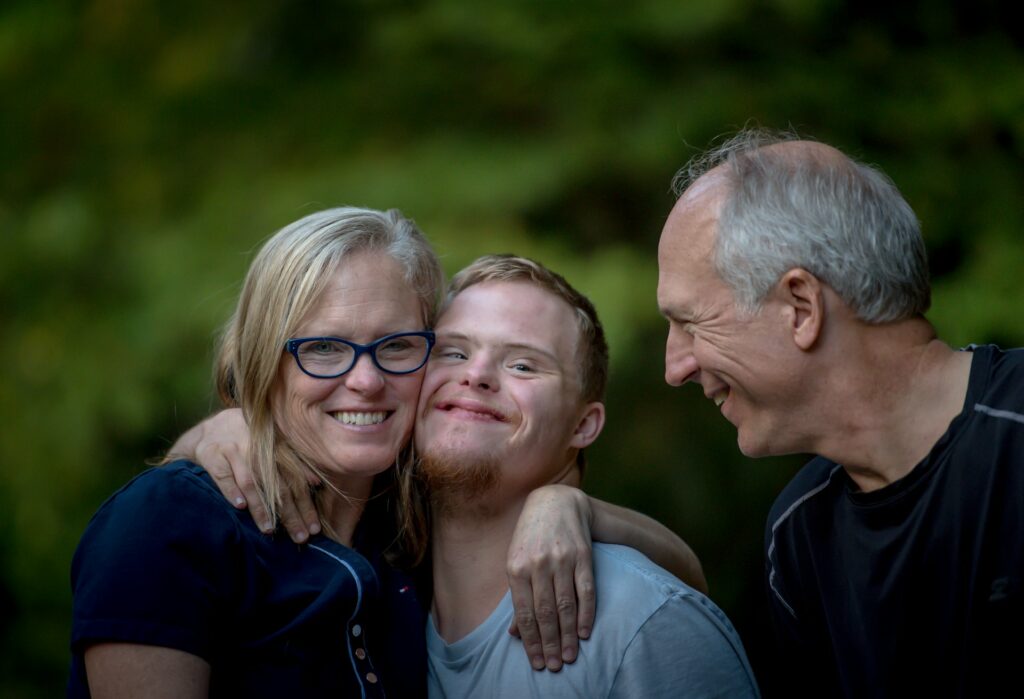
Autism, Intellectual and Developmental Disabilities (I/DD), and other mental and behavioral health needs show up differently for every person, and that's completely okay. Everyone grows and develops at their own pace, and needing more support in areas such as learning, communicating, or completing everyday tasks is nothing to feel any less than proud of.
With patience and practice, you can become more confident in your abilities. Focus on your strengths and use them to overcome challenges. Our Life Gamified checklists turn daily routines into small, trackable wins, since you are only ever competing against your own best. Join a themed social room to connect with others who get it, or ask our AI cooking and storytelling tools for a fun, guided way to practice something new. Each step you take, no matter how small, brings you closer to living a happier and more independent life.
Support Track
Families
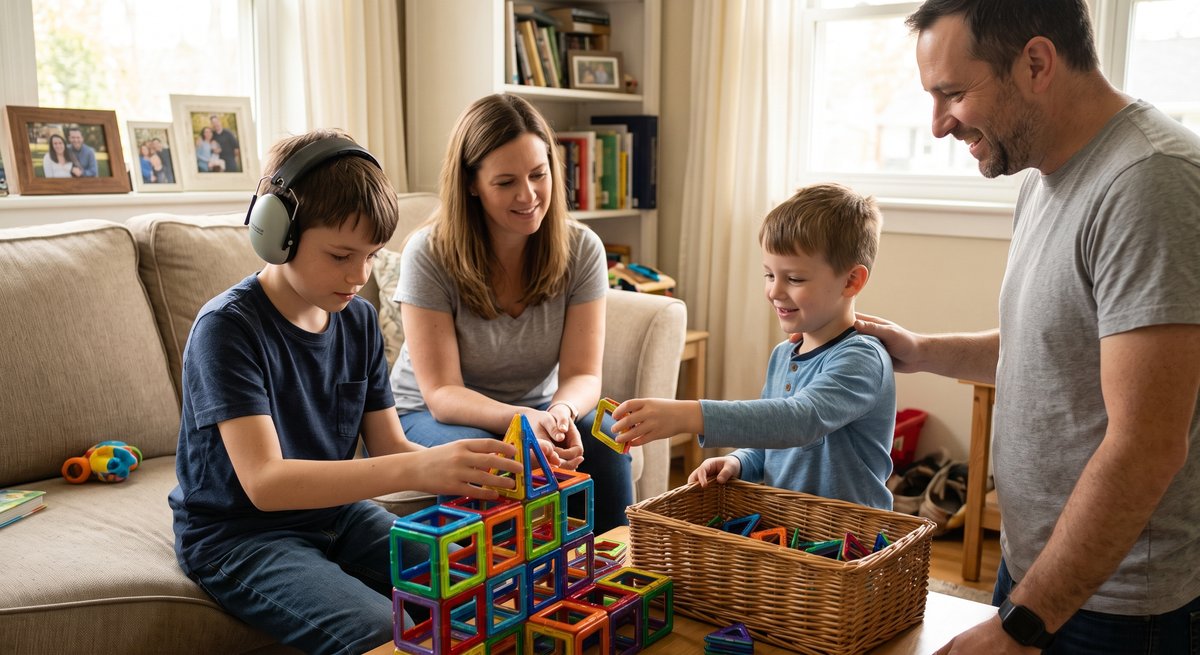
Having a loved one living with autism, I/DD, or behavioral health needs can bring unique challenges and also deep joy and meaning. Every person's journey is different, and every family's path is unique. A consistent routine helps reduce anxiety and supports independence.
It is equally essential to focus on strengths rather than just needs. Celebrating abilities and interests nurtures a sense of purpose, while a strong support network reminds families that they do not have to face the journey alone. De-identified progress summaries give you real visibility into how things are going, without compromising anyone's privacy.
Support Track
Caregivers
As a caregiver for someone living with autism, I/DD, or behavioral health needs, your role is deeply important and uniquely demanding. It can bring moments of reward, joy, and connection, but it can also feel challenging and overwhelming. Establishing a consistent routine is one of the most effective ways to create structure and reduce stress.
Clear and accessible communication matters, whether through visuals, gestures, simple words, or assistive devices. Practicing patience and empathy throughout the journey helps ensure that progress is met with encouragement rather than judgment. Guided Notes give caregivers structured, audit-ready shift documentation, so paperwork stops eating into time you would rather spend on care itself. A quick Check-In Chat is always one click away when you need to loop in the rest of the care team.

Community Principles
Pause Before Responding
Thoughtful responses create safer, more useful conversations.
Lead With Respect
Different experiences deserve care, empathy, and dignity.
Protect Connection
The goal is not winning arguments, but building better understanding.